Figgis Park
The Outsider (Stephen King Edition)Figgis Park is the setting where Frank Peterson’s body is discovered and where a child later reports seeing Terry Maitland emerge from the trees. Those accounts help make the park a pivotal crime scene in the case against Maitland, but the later recognition that evidence there was compromised turns the familiar neighborhood space into a measure of how unreliable certainty can be.
Setting and Neighborhood
On an evening walk, Ritz and his beagle, Dave, usually ended up in Figgis Park before heading home. The route that night passed Gerald’s Fine Groceries and continued up Barnum Street to the park. Its parking lot was ordinarily quiet at that hour, except when high school students used the tennis courts; rain had left the clay courts empty on the evening in question, and a white van was the only vehicle there.
The park’s everyday familiarity also shaped the testimony. June Morris lived nearby and knew Terry as Coach Terry: he had once returned her family’s lost dog, and June sometimes played with his daughter, Grace. Her recognition was therefore personal rather than a stranger’s uncertain identification, a distinction Ralph later emphasized when defending the value of her account.
Discovery and Witness Accounts
Ritz placed the discovery at approximately twenty or twenty-five minutes past six. Following Dave through branches into a small clearing, he found blood on and beneath a granite bench and Frank Peterson’s body on the grass beside it. His account established the park clearing as the place where the boy had been left and made the scene central to the investigation.
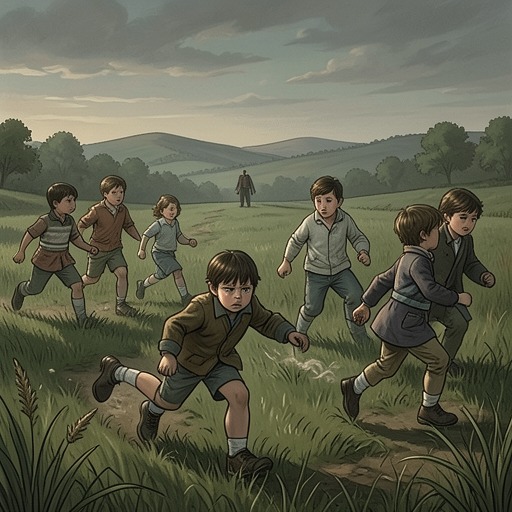
June’s account described a different moment in the same landscape. Between six and six-thirty, after leaving home, she saw Terry come out of the trees near the parking lot. She recalled that he waved, explained that a branch had hit his face, and tried to reassure her about his bloody nose. She also noticed blood on his shirt, pants, and hands. Her observation placed a familiar neighborhood figure at the park close to the time the crime was discovered, giving investigators apparently direct evidence against him.
Ralph later told Terry that June knew him well because of their connection through the lost dog and the Maitland family. Terry reacted with frank disbelief when Ralph identified her as the witness. The exchange shows how the park’s local social ties strengthened the apparent force of the accusation: June was not merely describing a bloodied man, but someone she believed she knew.
Forensic Evidence and the Case Against Maitland
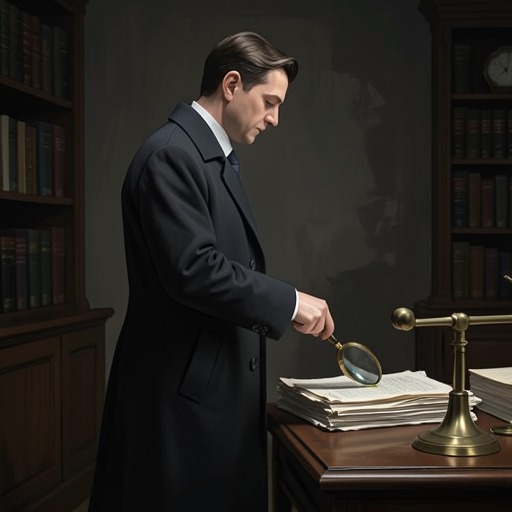
The investigation also tied the park to the white van and to the physical evidence used against Terry. Ralph’s working theory was that Frank’s fingerprints on the inside passenger door came from the struggle in the Figgis Park parking lot as Terry tried to pull him from the van. Terry’s own prints were also found in the vehicle. At the time, these details seemed to reinforce the witness accounts, even though the precise explanation for the van’s journey and the presence of the prints remained uncertain.
The park evidence appeared persuasive enough to support the prosecution, but its reliability became a point of doubt. Bill Samuels warned that witnesses could be challenged and that the DNA from the scene could not be treated as conclusive. In his later public statement, he explained that the samples contained DNA from both victim and perpetrator and had been exposed to ultraviolet light during another testing procedure. His department considered them too degraded to be admissible. The fingerprints found in Figgis Park and in the van were also subsequently judged to have been planted.
Memory, Doubt, and Aftermath
As the case developed, the park’s evidence pulled Ralph in opposite directions. The sightings and forensic findings seemed to connect Terry to Frank’s abduction and murder; meanwhile, Terry’s colleagues placed him at a conference in Cap City at the relevant time, and the alibi evidence increasingly troubled the investigation. Ralph considered the possibility that details such as the prints on a book and Terry’s conspicuous appearance at a lecture had been arranged to make the accusation look convincing. He could not resolve the contradiction into certainty.
The park returned to Ralph’s thoughts much later, as he moved through a passage underground. He recalled the clearing, Frank’s death, and Terry’s question about how Ralph would clear his conscience. The memory connects the original crime scene not only to the evidence against Terry but also to Ralph’s sense of responsibility for the consequences of pursuing that case.
After Terry’s case was publicly reconsidered, June remained among the witnesses who stood by their accounts. Ralph reflected that the very old and the very young had seen most clearly, even as the forensic case built around the park had been discredited. Figgis Park therefore retains an unresolved place in the story: it is where the investigation first seemed to find its answer, and where its most compelling evidence came to demonstrate the danger of mistaking apparent clarity for truth.